Psychoanalysis & AI
Jacques Lacan spoke psychoanalysis in the language of his time; ours speaks by itself.
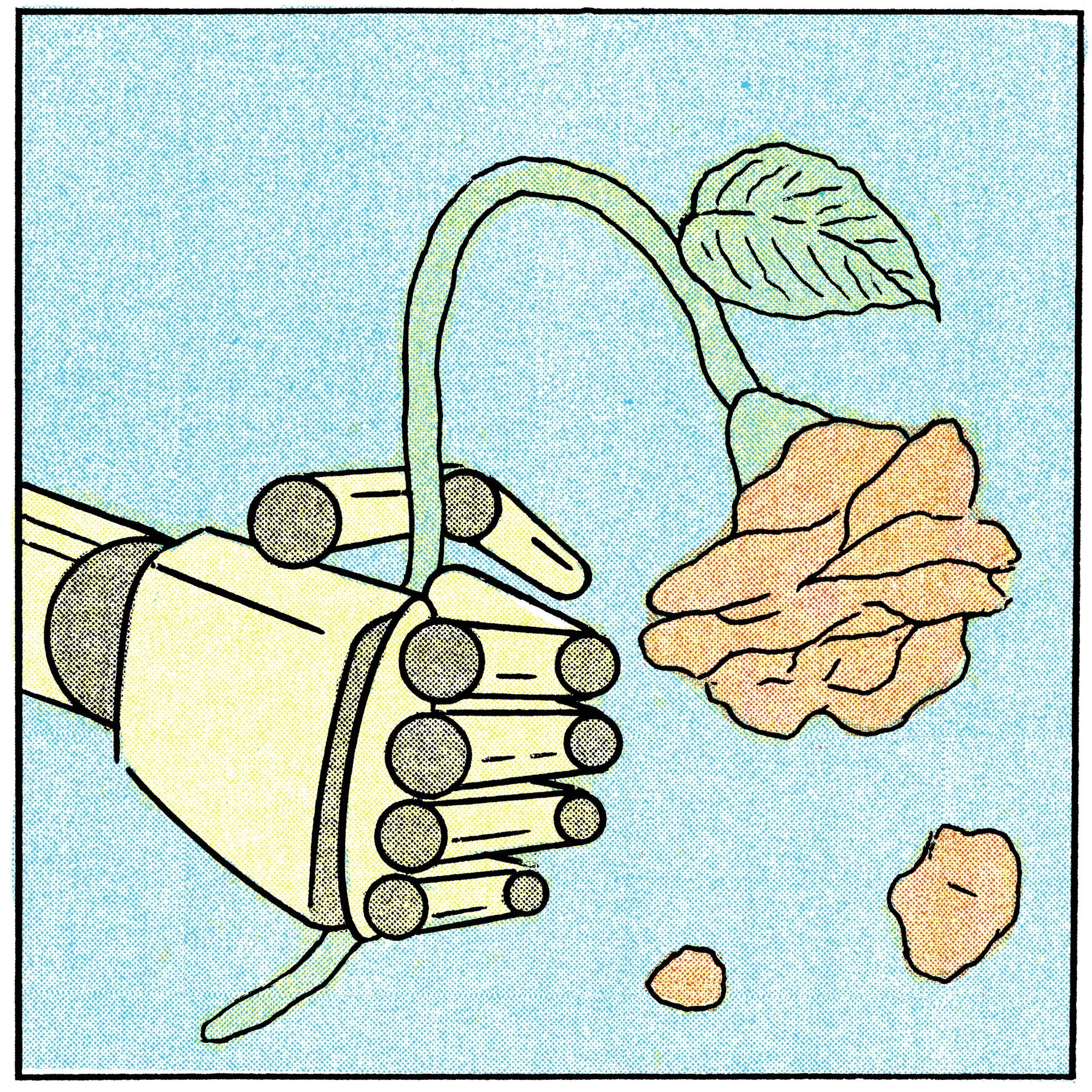
What Is a Machine Ashamed Of?
Lacan spoke psychoanalysis in the language of his time; ours speaks by itself. To take the machine as a negative — to let what it lacks draw the outline of what constitutes us — is to inscribe oneself in that same gesture. The shame Lacan speaks of does not ask for apologies; it asks — as Jorge Forbes circumscribes it — for response and invention. It is no longer a matter of explaining the symptom but of answering for it.
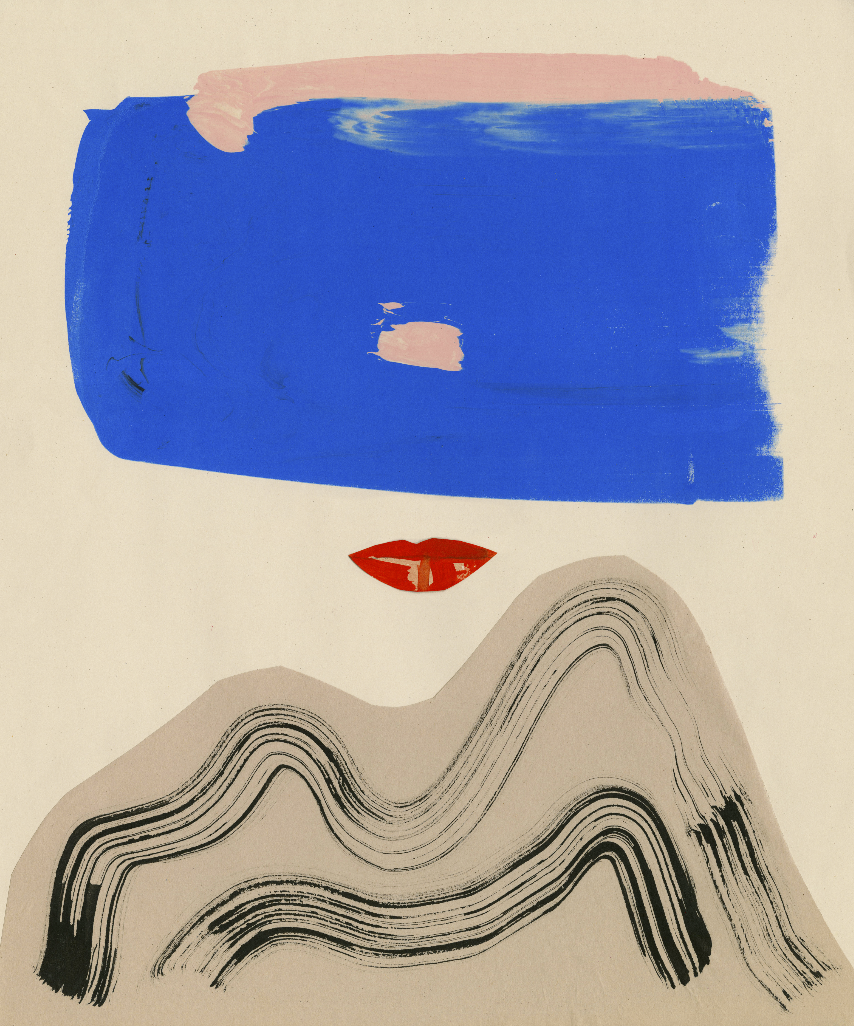
The Machine and the Psychoanalyst
Large language models are machines for linking things together; they can make almost any argument sound defensible, polished, and well written. It is rhetoric at its peak: discourse full of meaning and emptied of the real. A world of appearances seamlessly stitched together. Psychoanalysis does something else. It unstitches discourse. It does not add meaning; it returns to a person the weight of what they have said — including, and above all, the weight of what they do not know about themselves.
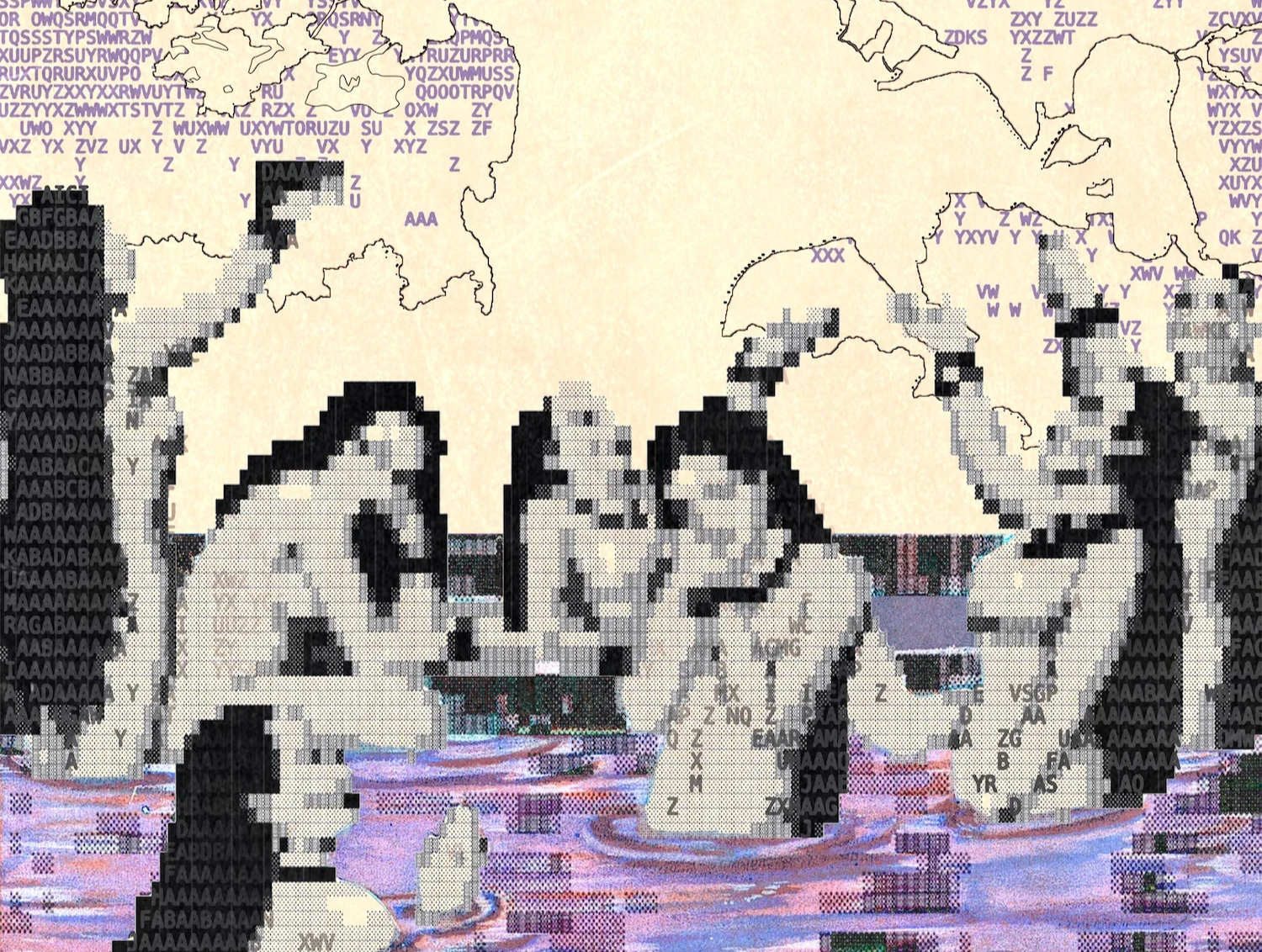
The Muse Never Signs
The criterion of authorship has never really resided in the origin of inspiration — for that origin has always escaped the ego, always come from somewhere “outside.” The criterion lies, and has always lain, in the response. As Forbes puts it, the artist performs a threefold movement: sees something unique, takes responsibility for what they have seen, and publishes it — puts it into the world. Coleridge’s “Kubla Khan,” Almodóvar’s women: it scarcely matters from which Muse they descended. What matters is that someone signed their name to them, implicated themselves, bore them as a point of honor — and of shame.